Let’s be honest — everyone wants good habits, but almost no one sticks with them. You read about “waking up at 5 AM,” “going to the gym daily,” or “journaling for success,” and feel inspired — until… day 3. Then you hit snooze, skip the gym, and promise yourself, “I’ll start again Monday.”
Sound familiar? You’re not alone. In fact, understanding the science of building habits might be the missing key that helps you finally stick to your goals in the last two months of 2025 — not through willpower, but through psychology and effective techniques.
🧩 Why Building Habits Feels So Hard
Your brain is lazy — and that’s not an insult, it’s biology. The human brain is designed to conserve energy, so when you try to build a new habit (like waking up early or eating healthy), your brain interprets it as extra work.
That’s why you procrastinate or “forget.” It’s not lack of motivation — it’s a neurological tug-of-war between your current comfort zone and your desired future.
The good news? Once you understand the psychology of habit building, you can hack your brain to make new habits automatic — like brushing your teeth.
⚙️ The Habit Loop: How Your Brain Forms (and Breaks) Habits
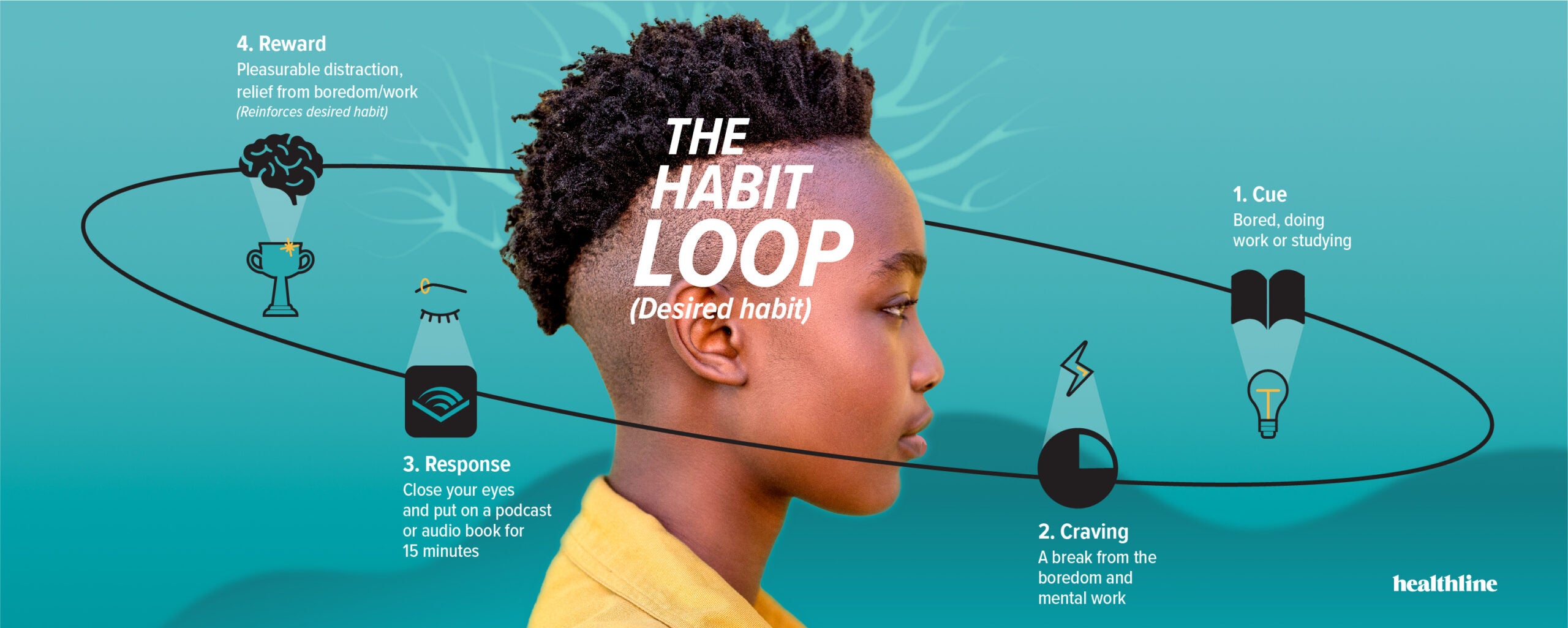
According to behavioral scientists, every habit follows a 3-step loop:
- Cue (Trigger): The situation or emotion that starts the behavior.
- Routine (Action): The behavior itself.
- Reward (Result): The satisfaction you get afterward.
Example:
- Cue: You feel bored.
- Routine: You open Instagram.
- Reward: A quick dopamine hit from new content and new reels.
This loop reinforces itself — the more you repeat it, the stronger it gets. That’s why bad habits feel so automatic.
If you want to get rid of bad habits, don’t rely on guilt. Instead, break the loop.
- Change the cue (remove triggers like phone notifications).
- Replace the routine (go for a walk instead of scrolling).
- Upgrade the reward (celebrate feeling refreshed, not drained).
🚀 The 1% Rule: Why Small Habits Beat Massive Goals
You don’t need to change your life overnight — you just need to improve by 1% daily.
Let’s take two people:
- Person A improves 1% every day.
- Person B gets 1% worse every day.
After one year, Person A is 37 times better, while Person B has nearly hit zero.
That’s the compound effect of habits — invisible at first, unstoppable later.
James Clear popularized this in Atomic Habits, and neuroscience backs it up. Each time you repeat a positive action, you strengthen the neural pathway associated with it. Eventually, it becomes your identity. You feel confident after performing those good habits.
So instead of saying, “I’m trying to build discipline,” say, “I’m the kind of person who keeps promises to myself.”
Identity-driven habits stick longer because you’re not just changing behavior — you’re changing who you believe you are. Therefore, The Key for breaking bad habits and changing your behavior is changing your identity.

🧘♂️How to Build Discipline (Even When You Don’t Feel Like It)
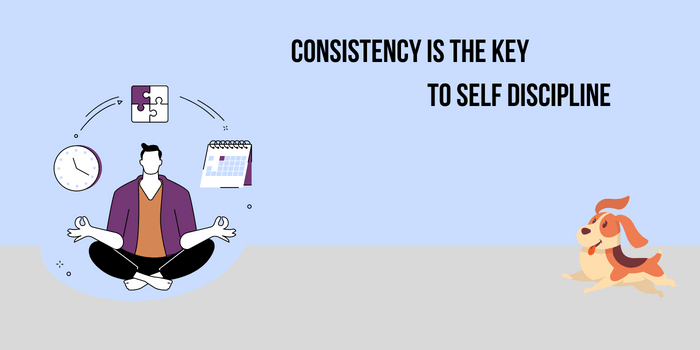
Discipline isn’t motivation — it’s a system. Motivation gets you started, discipline keeps you consistent.
Here’s how to make discipline feel easier:
- Design your environment: Don’t keep snacks in sight if you’re eating healthy.
- Use the 2-minute rule: Start with a version of your habit that takes less than 2 minutes. Example: Instead of “study for 2 hours,” start with “open my notebook and just read one page.”
- Track progress visibly: Use a calendar or app to track streaks. The visual satisfaction of progress gives a dopamine boost and motivates you to continue.
- Reward small wins: Celebrate micro-successes. Your brain repeats what feels rewarding.
Remember — it’s not about perfection, it’s about showing up every single day.
💣 How to Get Rid of Bad Habits (Backed by Science)
Here are scientifically effective ways to break bad habits — without relying on guilt or “willpower”:
- Identify the real trigger.
Most bad habits are emotional responses (boredom, stress, anxiety). Recognize the emotion before the habit begins. - Replace, don’t erase.
Your brain hates a void. If you remove a habit, replace it with something equally satisfying (e.g., journaling instead of doom-scrolling). - Make it unattractive.
Visualize the long-term cost. Every cigarette, every scroll, every skipped workout — they all add up. - Add friction.
Make bad habits harder to do. Keep your phone in another room while studying. - Reframe failure.
You didn’t fail because you slipped — you failed only if you stop trying. Progress isn’t linear.
When you understand your brain, you can outsmart it.
🧬 How Long Does It Take to Build a Habit?
You’ve heard “21 days to form a habit,” right?
Well… that’s a myth.
Research from University College London found it takes on average 66 days to make a new behavior automatic — sometimes more, sometimes less.
So if you don’t “feel the change” after a few weeks, you’re still rewiring your brain. Be patient. Every repetition counts.
🧠 The Real Science of Building Habits That Stick
When you build habits the right way, you’re not forcing yourself — you’re training your brain to love progress.
Neuroscientists call it neuroplasticity — your brain’s ability to reshape itself based on repeated experiences.
That’s why:
- The more you focus, the better your focus gets.
- The more you delay gratification, the stronger your discipline grows.
- The more you repeat a habit, the more automatic it becomes.
You’re not lazy — you’re just untrained. But your brain can be reprogrammed, just like software.
🏁 Final Thoughts: Reprogram Your Mind, Rebuild Your Life
The science of building habits isn’t just about routines — it’s about rewriting your story.
Habits are how you vote for the person you want to become. Every small action — journaling, working out, reading — is a vote for your future self.
So, start small. Be consistent. And when your brain says “not today,” whisper back: “That’s exactly why I will.”
💬 Now It’s Your Turn
What’s one habit you’ve been trying to build but can’t stick to?
Share it, reflect on it, and let’s make 2025 the year you finally master your mind.
Do Visit our SHOP Page for getting Viral Reel Bundles
Also, Do Follow my Socials:- Twitter- @digital_tirth & Threads- @digital.tirth